
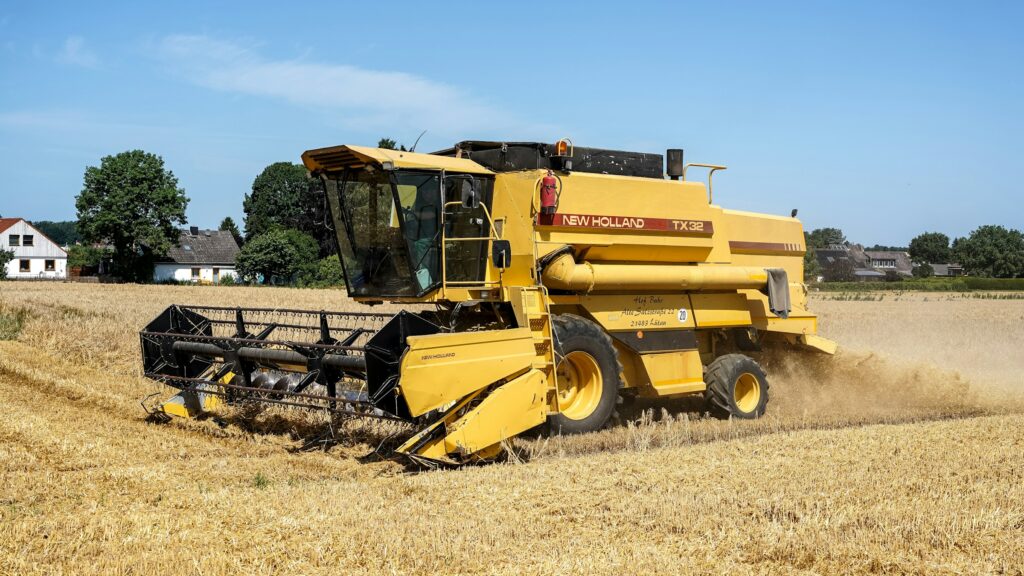
Late-Summer Tax Planning for Wisconsin Farms: Equipment Timing & the Manufacturing and Agriculture Credit
Wisconsin’s harvest season is approaching, and the tax and cash-flow decisions farm owners make in the next few weeks will shape what their 2026 return looks like far more than anything done in December. Equipment orders placed now determine whether Section 179 is even an option this year, and credits that quietly go unclaimed on farm and agribusiness returns every season don’t get a second chance once the calendar turns.
The farms that come out ahead aren’t the ones with the biggest operations — they’re the ones whose tax planning happens during the season, not after it.
Why Late Summer Is the Right Time to Plan Equipment Purchases
Section 179 and bonus depreciation elections are made on equipment placed in service before December 31 — but equipment lead times rarely cooperate with a December decision. Tractors, combines, grain systems, and specialty attachments ordered in late summer are far more likely to arrive and be placed in service before year-end than anything ordered after harvest wraps up.
- Confirming delivery timelines with dealers now, not in November.
- Modeling the Section 179 vs. bonus depreciation tradeoff before the purchase, not after.
- Coordinating equipment timing with projected income so the deduction lands in the year it actually helps.
See our bonus depreciation update for the current-year limits and phase-out rules before you commit to a purchase.
The Wisconsin Manufacturing and Agriculture Credit: Are You Claiming It?
The Wisconsin Manufacturing and Agriculture Credit can reduce the effective state income tax rate on qualifying production income to a fraction of a percent — and it applies to agricultural production, not just manufacturing. It’s the same credit we help manufacturers claim, and we routinely find farm operations that qualify but have never filed for it.
Qualification depends on how your production income is classified and documented, which is exactly the kind of detail a generalist preparer skips past during a busy tax season.
Know Your Numbers Before the Combines Roll
Estimated Taxes on a Farm Calendar
Farmers and fishermen who receive at least two-thirds of their gross income from farming get a different set of estimated tax rules than other businesses. Instead of four quarterly payments, you can make a single estimated payment by January 15 — or skip estimated payments entirely by filing your return and paying the full balance by March 1.
Missing that distinction is one of the most common ways farm clients end up paying penalties they never should have owed. Check our tax deadlines page for the current filing dates before you assume the standard quarterly schedule applies to you.
Succession Planning Doesn't Wait for Retirement
Most farm owners don’t lose the operation because of a bad year — they lose ground because land, equipment, and the business itself were never structured for a transition. When the next generation inherits assets without a plan already in place, estate and trust tax exposure can undo decades of equity building in a single filing.
What to Review Before Harvest
- Entity structure: whether your current setup still fits how the operation will transition.
- Accounting method: most farms report on a cash basis rather than accrual, which changes how income timing and succession planning interact.
- Equipment and land titling: confirming ownership matches the succession plan you actually intend to follow.
None of this needs to be finished before harvest — but it needs to be started before retirement becomes the deadline instead of a choice.
Why Farm-Specific Advisory Matters
Farm accounting isn’t generic small-business accounting with different line items. Enterprise-level profitability by crop, field, or herd, seasonal cash-flow modeling, and depreciation strategy timed to a growing season all require a CPA who works in agriculture regularly — not one who handles a farm return once a year alongside a hundred other small businesses.
We work inside whatever accounting software you already use, so getting this right doesn’t mean switching systems in the middle of a season.
Stop Guessing. Start Planning.
If you’re not sure which equipment purchases actually help your tax position this year, you’re leaving money in the field. See our full agriculture accounting and tax services or talk to us directly.
Every situation is a little different. A short conversation will tell you whether any of this actually affects you — and exactly what to do about it if it does.